Salford City Council's planning policies have been totally panned by the Salford Star over the last decade and more, as developers have consistently avoided paying their full share of Section 106 planning obligations, estimated by the Star at over £60million plus the loss of thousands of affordable properties.
The cause of these losses has been, firstly, the Council's own shocking planning policy, which allowed developers to avoid fees when building in certain areas or by building 'high density' apartments; and, secondly, the Tories' National Planning Policy Framework (NPPF) which put the system in favour of the 'viability' of developments and the company's right to make a 'reasonable profit'.
What followed was a slew of applications, either pointing out the Council's rubbish planning policy, which meant they didn't have to pay any fees; or using 'viability assessments' to prove that costs were so great they wouldn't make big enough profits if they had to pay the fees – and a whole planning industry grew up showing developers how to play the system.
Salford Council's answer was to insert 'clawback' agreements into planning application decisions whereby, if developers paid either reduced planning costs or no costs at all, money could be 'clawed back' later if all the properties sold and profits were at such a level that companies could afford to pay the fees.
While the Council has made a huge public play on these 'clawback' agreements, a new Salford Star Freedom of Information request response from Salford Council has revealed that only three developers have paid Section 106 clawback monies in six years! And even then, not all the money has been 'clawed back'...
Figures provided to the Salford Star show that no clawback money was paid to the Council at all during the years 2014/15 and 2015/16.
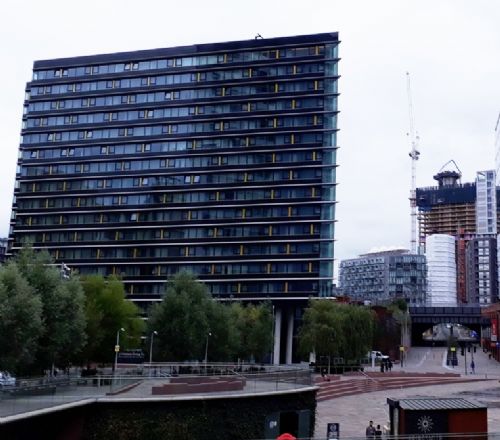
In 2016/17 the Council received £1.99million for the One Greengate development, which was the full sum originally calculated – except that since the planning permission was passed, the apartment block received a Government Homes and Communities Agency (HCA) public money subsidy of £35million, and, in 2016, the Greengate blocks were sold to LaSalle Investment Management for a price quoted as £110million (see here). Which, kind of, puts into perspective the 'mere' £2million fees...
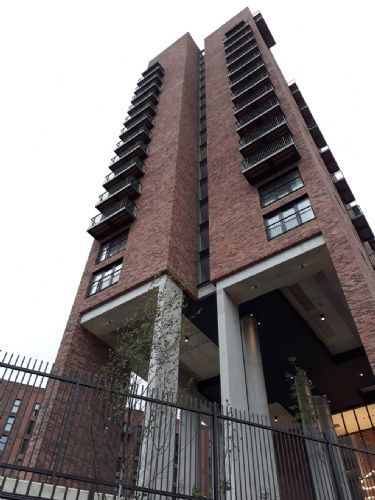
Also 'clawed back' that year was £563,269 for the City Suites development which, on top of the £350,000 paid at the time planning permission was given, gives the full total of what should have been paid in the first place.
Manchester City manager, Pep Guardiola, reportedly paid £2.7million for an apartment in the block, which, again, kind of puts into perspective the original 'viability' argument.
The following year, 2017/18 saw £505,516 'clawed back' from the Wilburn Street Basin development – except that the developer should have been paying £1,919,967 originally, an effective loss to the Council of over £1.4million (see here).
For the year 2018/19 and this year, 2019/20, the Council has again received no clawback money at all.
Meanwhile, of the £3.059million Salford Council has received from these clawbacks, only £34,238 has actually been spent, on the maintenance of a new bridge at Wilburn Street Basin. The rest of the money is sitting in a 'Section 106 account', states the Council, and is as yet 'uncommitted', although some is earmarked for Greengate Park and a replica Market Cross at Greengate.


.jpg)


.jpg)


.jpg)
.jpg)
(3).jpeg)
.png)
(1).JPG)
