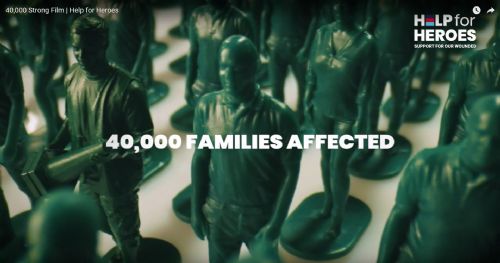
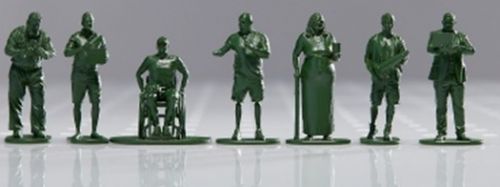
This week, 40,000 models of military veterans were put on display at the Manchester Arndale Centre, representing the number medically discharged over the last twenty years. Over 25% of those discharges have been since the end of the war in Afghanistan, despite the British Armed Forces not being engaged in active conflict during that period.
New statistics and surveys revealed by charity Help for Heroes show that as well as the 40,000 men and women who have had to leave the military in the past twenty years due to injury and illness, 70% of Help for Heroes Veterans feel their transition to civilian life was a negative experience and over 60% felt they didn't receive enough support while transitioning out of the Armed Forces.
The survey also revealed that some veterans are being discharged with a physical injury before receiving a full diagnosis for their mental health condition(s); that the time given to transition after medical discharge varies hugely; and that there are problems with the compensation process, with 80% of polled respondents saying they were not made aware of their compensation award before they left the military, and one in four of those having to wait over ten months to find out.
Help for Heroes has launched the campaign to highlight the gaps in the Ministry of Defence's support during the medical discharge process, and the charity is calling on the Government to review the existing medical discharge process to ensure those forced to leave the military as a result of injuries or illness are given the best possible opportunity to make the transition into civilian life.
"Injuries have ended 40,000 military careers in twenty years and every day this number grows" says Mel Waters, CEO of Help for Heroes "Many of them tell us that their transition impacted significantly on their health, wellbeing and family.
"The medical discharge process is seriously failing those who are let down by major inconsistencies in support, so we're calling on the Government to commission an independent review of the process to close those gaps" he adds "With the public's support, we're on a mission to ensure every wounded hero has the best opportunity to stand strong in civilian life..."
After the exhibition is over, people can own one of the model veterans via a donation to the Help for Heroes website – click here
See the film of the installation on You Tube – click here
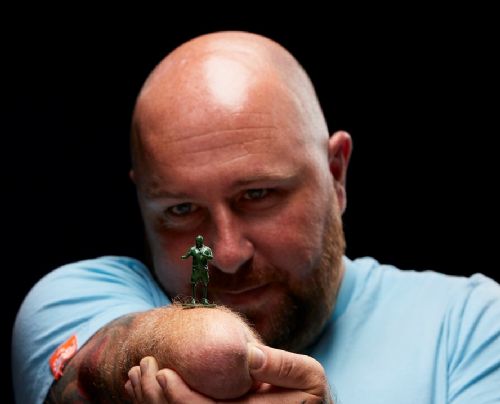
Main image shows veteran Dave with his model




.jpg)


.jpg)
.jpg)
(3).jpeg)
.png)
(1).JPG)
