Salford City Council is currently consulting on its new housing strategy priorities with its main 'priority' stated as "More new and affordable homes developed to meet need and demand locally".
Unfortunately, 'local demand' doesn't seem to include Walkden, described by local councillor Richard Critchley as having "the most unaffordable housing in the city" at last month's Growth and Prosperity Scrutiny Panel.
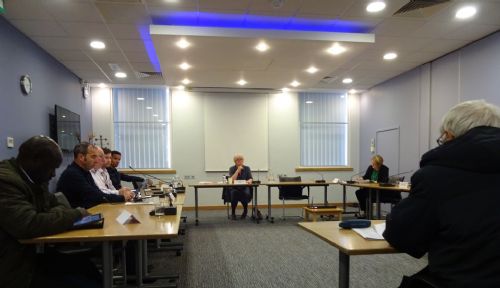
The panel was scrutinising the Council's private housing company, Derive****, for which almost £16million is being pumped in to deliver 117 homes over five years with 50-50 'social' and so-called 'affordable' rent properties.
The Council is borrowing £4.847million to fund the project with a 'Council Subsidy' of £10.967million, a lot of which will be taken from Section 106 money paid by developers for affordable housing.
While many developments in Central and East Salford have avoided paying Section 106 money, those in Walkden, particularly green space developments, have paid up. But Councillor Critchley told the panel that "Over £2million has been taken for Derive without consultation with councillors".
The Walkden money is earmarked this year for twenty Derive properties in Charlestown, East Salford, bought off the peg from the Keepmoat development and managed by Salix Homes.
In 2020, further funds are to be directed towards eight properties in Duchy, and 28 at undisclosed locations, all believed to be in Central and East Salford (It was originally going to be '900 affordable homes by 2021'*).
Responding to Councillor Critchley's criticism, Deputy Mayor, Councillor John Merry told the panel that there was "a need to have an affordable housing strategy across all of the city, not just in the odd area". Which seems a bit odd in itself since Walkden's affordable housing budget has gone East.
Salford Council is consulting on its housing strategy until 2nd July*, and is asking whether respondents agree to "Continued delivery of a new housing company Derive delivering more Affordable Housing..." as part of its objectives.
One of the other ways the Council is suggesting it can meet those objectives for more affordable homes is "Robust securing of section 106 requirements" and "Robust delivery of section 106 obligations to deliver new affordable homes", which is a kind of backhanded admission that it hasn't been doing it so far...
...The Salford Star has estimated that over one thousand affordable properties have been lost to the city due to developers avoiding such provision via the Council's own shocking planning policy and the Tory Government's equally shocking National Planning Policy Framework (NPPF)***
The city currently has a shortfall of 613 affordable homes per year, there are over 6,000 people on the housing waiting list, and the numbers of social housing properties being let is dropping by the year (1,616 in 2016; 1,312 in 2018)... "The number of people with incomes less than £21,000 have grown by over +1% since 2014 and more than 43% (47,847) of households cannot afford to privately rent or own a home in Salford" states the Council consultation report.
*See previous Salford Star article: A Tour Through Salford Council Spin on Affordable Housing – click here
**To take part in the Salford City Council Housing Strategy Consultation which runs until 2nd July – click here and click on the survey.
***See previous Salford Star article – The £42million Planning Scandal – click here
****Derive is a private limited local housing company with only three directors - Deputy Mayor John Merry, Councillor Tracy Kelly and company secretary, Rachel Wilkinson - at the panel meeting, councillors questioned how few councillors there were on the board, and recommended a larger board with more diversity and perhaps some resident representation. Councillors were also wary of a conflict of interest of those who sit on the board, contrasted with the interests of Salford residents.





.jpg)


.jpg)
.jpg)
(3).jpeg)
.png)
(1).JPG)
