It's hard to believe in the autumn gloom that Salford has one of the worst areas in the country for the so-called `heat island effect'.
The heat island effect is caused by too much urban development, and occurs when materials like brick, concrete and tarmac used for roads and buildings retain heat during hot weather and push up the temperatures in the area. The denser the development, the higher the temperature – and the higher the potential for illness and death. Or, as a Salford Council report states…
"Increases in the heat island effect can lead to increased levels of air pollution, which, combined with higher temperatures can have negative health implications, potentially causing an increase in ill health and mortality.
"The warming effects of climate change" it adds "are likely to increase the intensity of the 'heat island effect' in urban areas."
A Joseph Rowntree Foundation report, produced last November called Climate Change, Justice and Vulnerability, identified parts of Pendleton, Broughton, Ordsall and Eccles town centre as being amongst the most socially vulnerable locations in Greater Manchester for the heat island effect, with one of these places ranked within the top 1% of the worst places in England. The actual area was unidentified but the Salford Star understands it to be Pendleton, about to be re-developed via the Pendleton PFI.
And with lots more development planned for Central Salford, particularly around Chapel Street, MediaCityUK (within the the Ordsall ward) and Broughton, as well as Pendleton, Salford Council is getting concerned that the city's charge towards building a concrete jungle will kill off its own citizens. Or as the report politely puts it…
"The heat island effect is already an important issue for Salford, and the large scale of development proposed in the Core Strategy has the potential to exacerbate this further. This is likely to be a particular issue in the Regional Centre where densities will be highest and the potential for open space more limited. Given the importance of this issue for Salford, it was considered appropriate to require developments to be designed to help mitigate the higher temperatures associated with the heat island effect."
The Council has produced Policy D10…and the concept of Evapotranspiration.
No, this isn't a new word made up by Mayor Ian Stewart, for a change. It's based around the idea that `green infrastructure' helps to cool the air "as vegetation does not absorb and retain solar radiation in the same way that hard built fabric does".
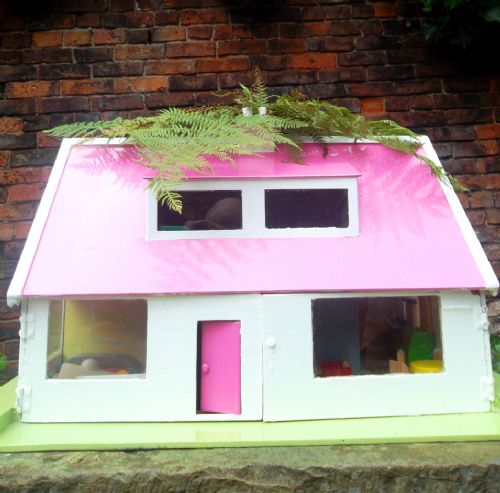
So, given that "the high density of development in the Regional Centre will limit opportunities for large green spaces" (see the new concrete public square in Greengate, off Deansgate), the Council is aiming to mitigate the heat island effect with…green walls and roofs.
Policy D10 states that "the incorporation of green infrastructure (i.e. through the use of green walls/roofs) …will play an important role in providing a comfortable microclimate, particularly in terms of mitigating and providing respite from the higher temperatures associated with the 'heat island effect'".
All new apartment blocks, supermarkets (see here), office blocks and roads will now have a few leaves and bits of grass sticking out of them. The concrete jungle that Salford is re-building (see the 50s, 60s, 70s, 80s and 90s) will now be kind of green and solve the city's knackered up micro-climate? We say, we need more summers like this one – or else!


(1).JPG)


.jpg)


.jpg)
.jpg)
(3).jpeg)
.png)
(1).JPG)
