Bird watcher, James Walsh, asks whether the BBC's
eco-friendly ethics will stretch to its own doorstep…
If you'd taken a walk around the North Wharf area of Salford Quays earlier this year, you would have encountered a scene that could have featured on the BBC's hit show, Springwatch. A number of birds were gearing up for the breeding season including singing Skylarks and displaying Ringed Plovers and Lapwings, while birdwatchers waited for the arrival of the rare, migratory Little Ringed Plover.
How ironic then that this is the proposed location of mediacity:uk, the BBCs new home, and that environmentally damaging activity has been taking place here all spring and summer that would send a shiver down Bill Oddie's spine.
The site is derelict land alongside the Manchester Ship canal but, for some years, has been an important breeding habitat for several ground nesting bird species, including the Little Ringed Plover - a Schedule 1 species.
Being on the Schedule 1 list of the Wildlife & Countryside Act 1981 means they are protected by special penalties at all times. The Act makes it an offence to intentionally kill, injure or take any wild bird or their eggs or nests, and there are additional offences of disturbing these birds at their nests, or their dependent young. The Secretary of State may also designate Areas of Special Protection to provide further protection.
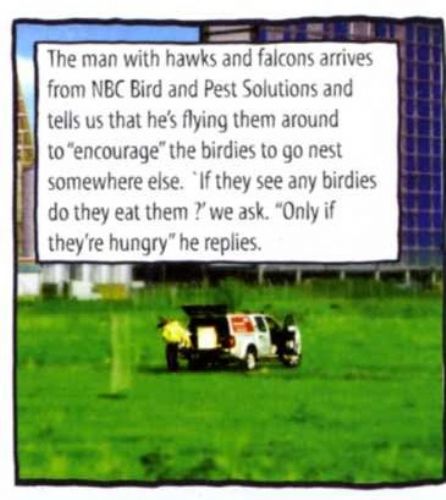
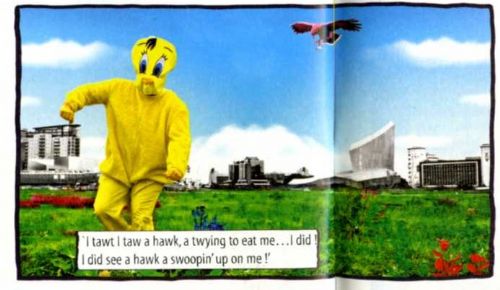
Therefore, any evidence of a Little Ringed Plover breeding attempt would have legally halted construction work on mediacity:uk. Somewhat cynically, it seems, the architects of land owners Peel Holdings set out to make certain this didn't happen. For over two months falconers from NBC Bird Solutions were on the site daily with a Harris Hawk, a Saker Falcon and dogs. Hiring a pest control company to disrupt a Schedule 1 species is, at best, cynical and, at worst, borderline illegal. It is only due to technicalities and loopholes that no legal action has been pursued
As stated on their website, birdsolutions.co.uk, these people are employed to control bird populations and, this spring, many local birdwatchers and conservationists have seen the company disturbing birds during the breeding season, and have taken photos.
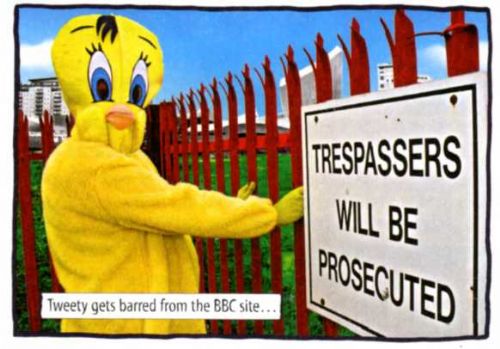
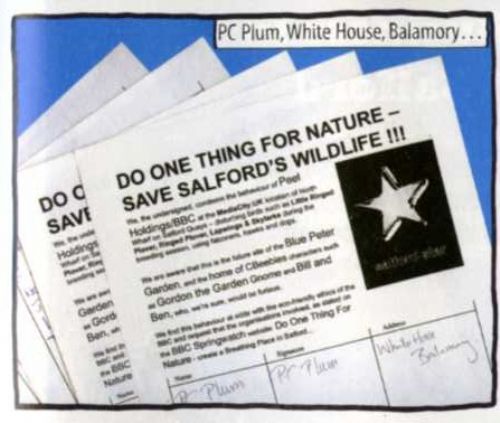
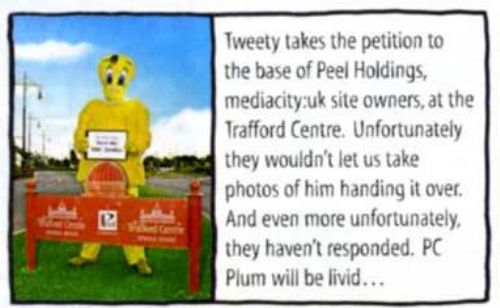
The Chairman of the BBC Trust has been informed, but so far there has been no response, other than to say "The BBC is not responsible for the site's management or development". In other words, it's nothing to do with him. Yet this is the site that the Blue Peter Garden is going on, plus the new home for all the eco-friendly CBeebies' characters like Bill and Ben and co. Meanwhile, the BBC's universally respected David Attenborough says "If we are looking at saving planet earth, where better to start than on your own doorstep". BBC 1 actually ran a full programme in June called Saving Planet Earth when Attenborough, again, asked "What does our over-consumption mean for the rest of life that shares Planet Earth? Can a growing human population still leave space for wildlife?"
The BBC is a major international organisation rightly famed for its commitment to the natural world. It is very concerning, to say the least, that the BBC has become embroiled in such activity. Many other individuals and organisations share this concern, including Royal Society for the Protection of Birds, local journalists & conservationists.
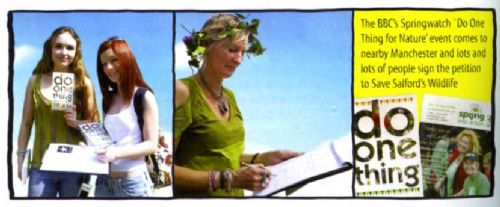
On the BBC's Springwatch website the general public are encouraged to help create Breathing Places for nature and to Do One Thing for wildlife - perhaps the BBC themselves can Do One Thing for all the wildlife that the construction of their shiny new buildings has displaced…and help create a Breathing Place for nature in Salford...
* Salford City Council is, ironically, having a falconry display at its `Garden Party' at the Town Hall in September




.jpg)


.jpg)
.jpg)
(3).jpeg)
.png)
(1).JPG)
